
So just how is the Pope elected anyway?
Conclave, secret ballots, black smoke … sounds like a thriller mystery! During this show, Julie and Lisa unravel this mystery — here are some facts to help you be ready with answers when you are asked that next social gathering.
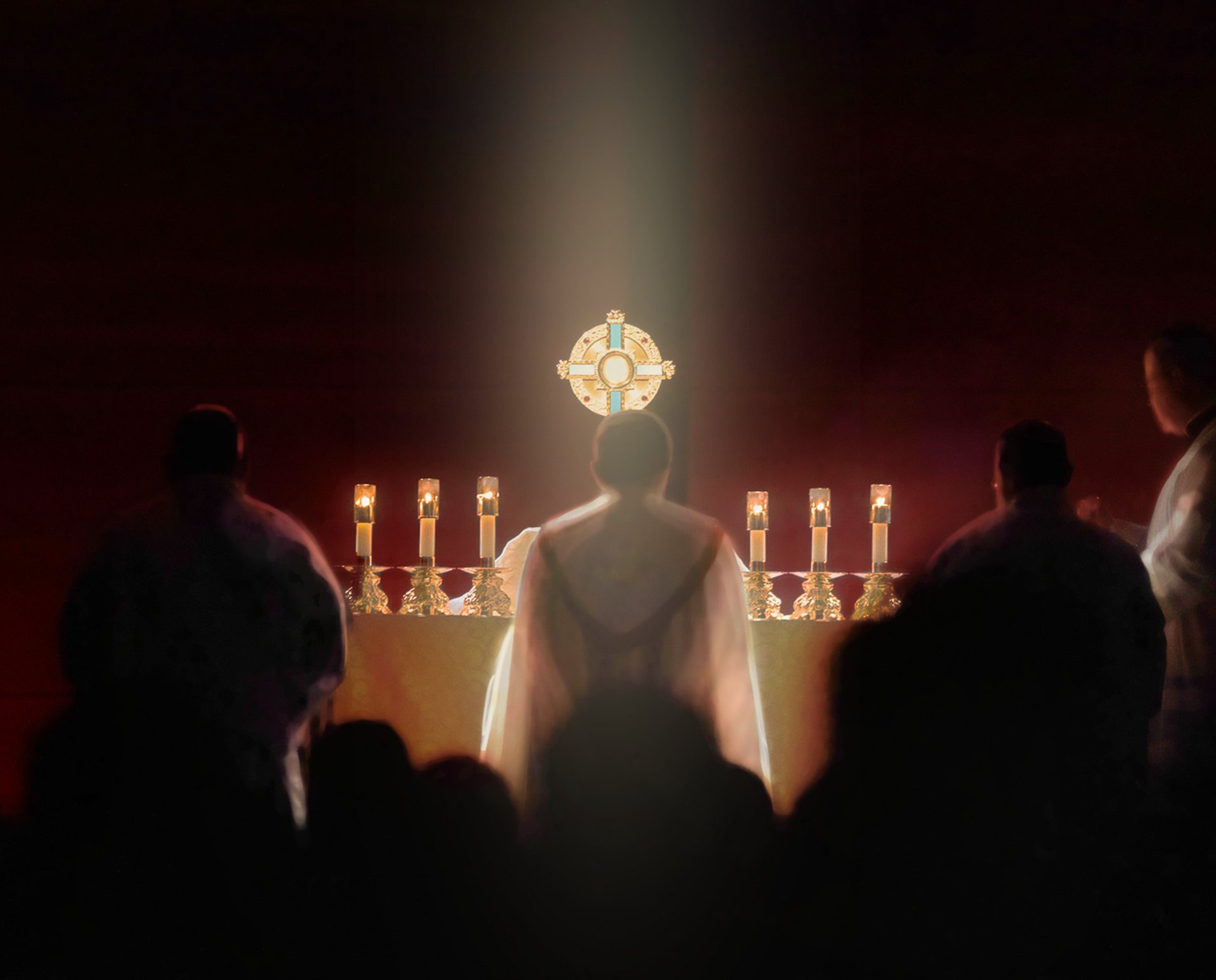
Conclave: The Pope is elected during the Conclave, held in the Sistine Chapel. The term ‘conclave’ comes from two Latin words – cum clave – meaning “with a key.” Once the Conclave begins, the Cardinals process into the Sistine Chapel and the Master of Ceremonies intones the phrase extra omnes which means everybody out. The doors are locked and the voting begins. No more contact with the outside world. To ensure privacy, the chapel is even swept for hidden devices.
All involved in the Conclave — Cardinals, ushers, technicians and secretaries — are bound to an oath of secrecy. If they directly or indirectly disclose information regarding the papal election, they will incur excommunication.
Can all the Cardinals vote? Cardinals who have not reached 80 years of age can elect the next pope. Total number of voting Cardinals must not exceed 120. This Conclave has 115 voting Cardinals.
Did you know that any baptized and unmarried Catholic male over 35 can be elected to pope as long as he is in good standing ecclesiastical or divine law? It’s been 600 years since a non-Cardinal was elected, though. Chances are good our next pontiff will be one of the 115 Cardinals now gathered in Rome.
The secret ballot was introduced in 1621 by Gregory XV. This ensured that social relationships did not influence how the cardinal voted.
And once the Conclave begins, those gathered in St. Peter’s Square keep watch for smoke that is burnt in a stove especially designed for this occasion. Black smoke is inconclusive vote and white smoke signifies a pope has been elected.
Once a pope is elected, he is accompanied to the “Room of Tears,” where he is dressed in the papal vestments for the first time. It is called Room of Tears due to the emotion that can overwhelm the new pontiff as he heads there alone to change into the white cassock for the first time.
The Cardinal Protodeacon appears on the main balcony of St. Peter’s Basilica and before the crowd, announces Habemus Papam, or ”We have a pope.” Then he announces the first name and surname of the elected cardinal, followed by his papal name. The new pope gives a brief speech and his first papal blessing.
Is the Holy Spirit responsible for who gets elected? Pope Emeritus Benedict XVI, who as Cardinal Ratzinger, responded to this question in a 1997 interview on Bavarian television:
“I would not say so, in the sense that the Holy Spirit picks out the Pope…. I would say that the Spirit does not exactly take control of the affair, but rather like a good educator, as it were, leaves u much space, much freedom, without entirely abandoning us. Thus the Spirit’s role should be understood in a much more elastic sense, not that he dictates the candidate for whom one must vote. Probably the only assurance he offers is that the thing cannot be totally ruined.”
Then the clincher:
“There are too many contrary instances of popes the Holy Spirit obviously would not have picked!”
Virtues in Vogue
The theological virtues are the foundation of Christian moral activity; they animate it and give it its special character. They inform and give life to all the moral virtues (Catechism of the Catholic Church, 1813).
“So faith, hope, charity abide, these three. But the greatest of these is love.” is an often read scripture at weddings.
All you need is love… so the song goes. Let’s begin to look at charity up close.
Charity
Charity is the sap that flow that gives life to all the virtues. How do we keep this stirred up in our souls? You may be surprised the first thing is not to go out and do something for someone else. What? You can’t give what you don’t have.
Be imbued with that deep truth that we are beloved daughters of God, the Father who loves us unconditionally.
So what will this do for me? The deeper this understanding how much Christ loves me, I am moved by grace and I am able to love others and respond:
To the teen age when he/she rolls the eyes and mumbles – can love as Christ loves him/her
To the drive who cut me off in traffic – I can be understanding they be having a bad day
The annoying co-worker in the next cubicle – I can forgive them for their unkind words
I can respond to “why I love my husband” with deeper appreciation
Hope
“Hope is the theological virtue by which we desire he kingdom of heaven and eternal life as our happiness, placing our trust in Christ’s promises and relying not on our won strength, but on the help of the grace of the Holy Spirit,” (CCC 1817).
How do we keep hope before us? Think of positive spiritual things: the Resurrection, the gift of the Eucharist, Adoration, our priests, our health, our sufferings.
Hope highlights the Lenten sacrifice: the more detached we are from earthly things, the more we grow in hope.
Do little acts of love for God throughout the day: small, quick prayers similar to “Jesus, I love you” to remind ourselves of the great love Christ has for us and is near us. Hmmmm,.. the Lords lift us up from loads of laundry??!!
Hope is knowing that whatever trials come our way, God will provide sufficient grace to navigate through troubled waters.
Our hope is for others. Our priority mission is to do what God asks us to aid our husband, children and thereby myself to heaven.
Faith
Faith is all things hoped for, the evidence of things that are not seen… Hebrews 11/3
Faith gives us a sense of who we are and where we are going. God has a plan for each us in the everything of the every day.
For the mother who is weary and tired of colicky baby has faith to know and trust God’s plan even though not easily evident
For the husband and wife who long for a child, knowing that God is present in midst of their barrenness with a purpose.
For the parents seeking the grace for the conversion of a child
Faith is knowing that when a seed is planted, unseen, that it will germinate, grow roots and will emerge from the dirt as a seedling. Plant some seeds with your children and teach them faith.
~ ~ ~
Thank you for your prayers. We are praying for you, too!
Now go do impossible things for Him!